
Featured Post
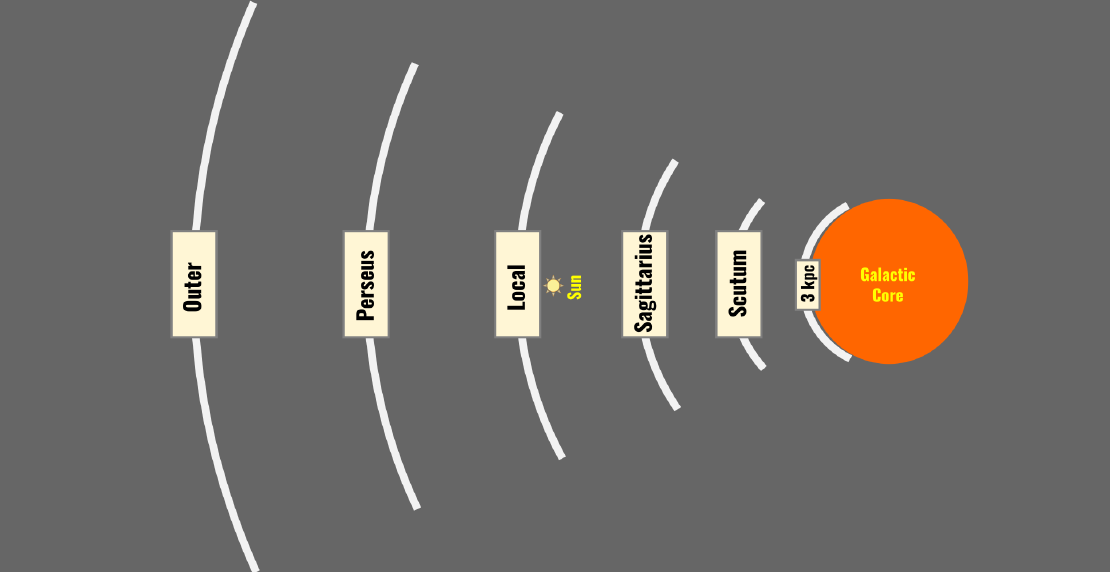
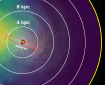
The Phantom Arm
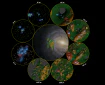
The study of the inner galaxy has a surprisingly controversial history. How could Gaia DR4 help?
Read more


Recent Post
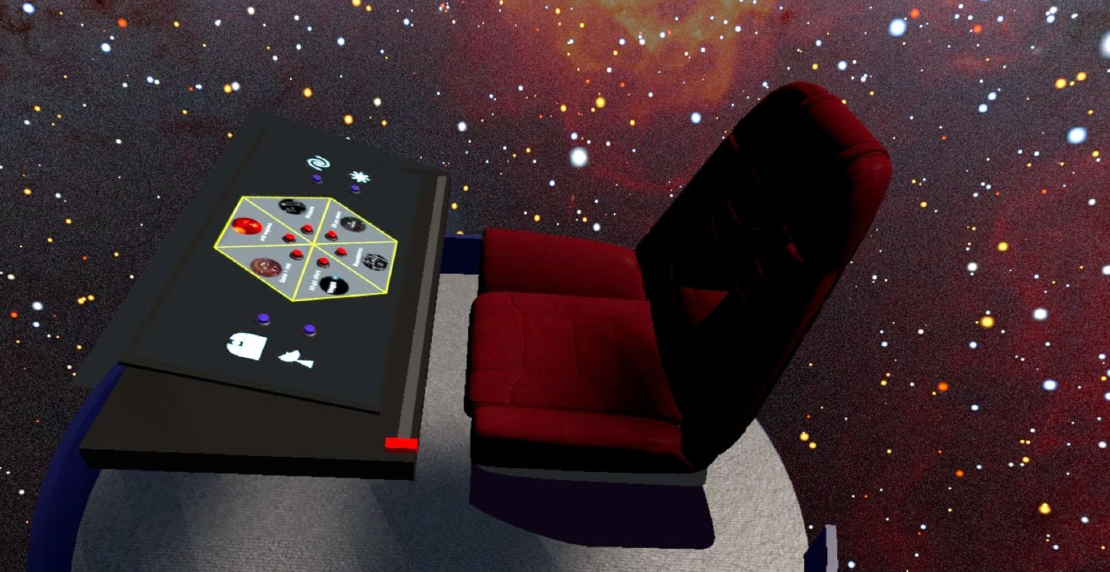
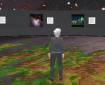
Building an audience in VR
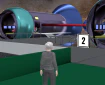
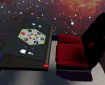
I’ve just created a new version of my virtual starship: the Comfy Chair edition. This is a single person seated version of the starship that can be operated entirely using hand tracking.
Read more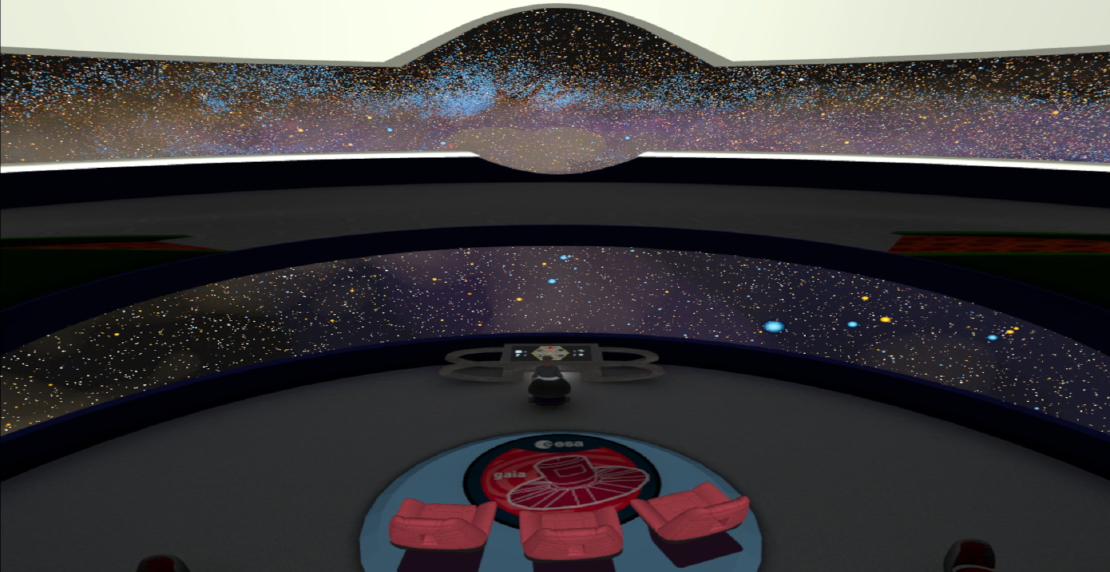
The Virtual Starship
Traditionally astronomers have represented their data as two-dimensional images, often as Hammer-Aitoff projections of Earth’s sky. This tradition has continued even into the age of Gaia, which has provided us with vast 3D data sets.
Read more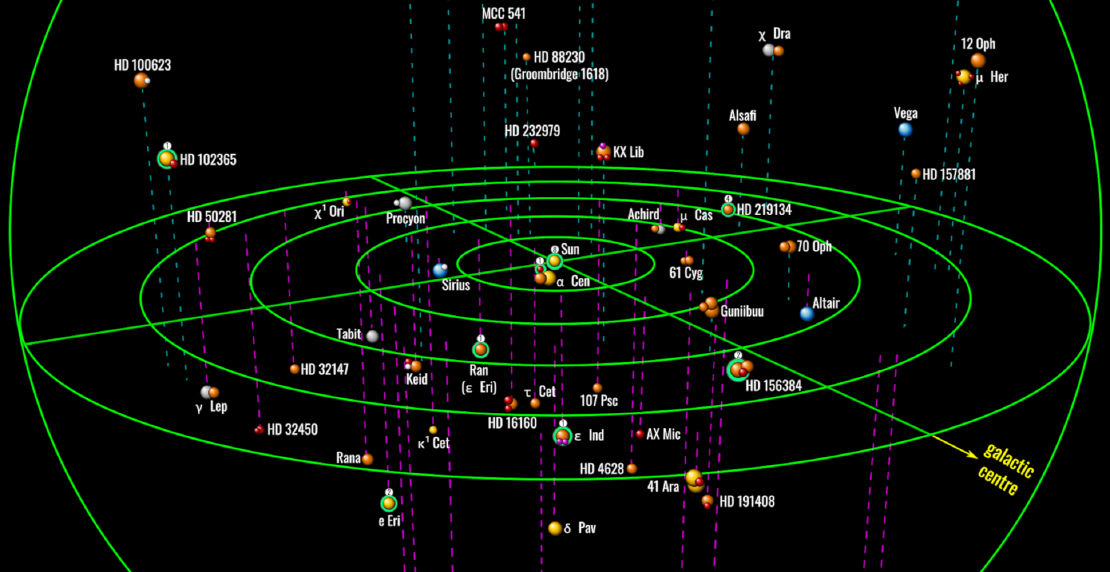
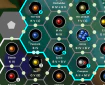
Gamifying the Nearest Stars
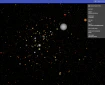
A long time dream of mine has been to have access to a catalog of all the nearest stars and brown dwarfs, with all their properties: temperature, size, mass and exoplanets.
Read more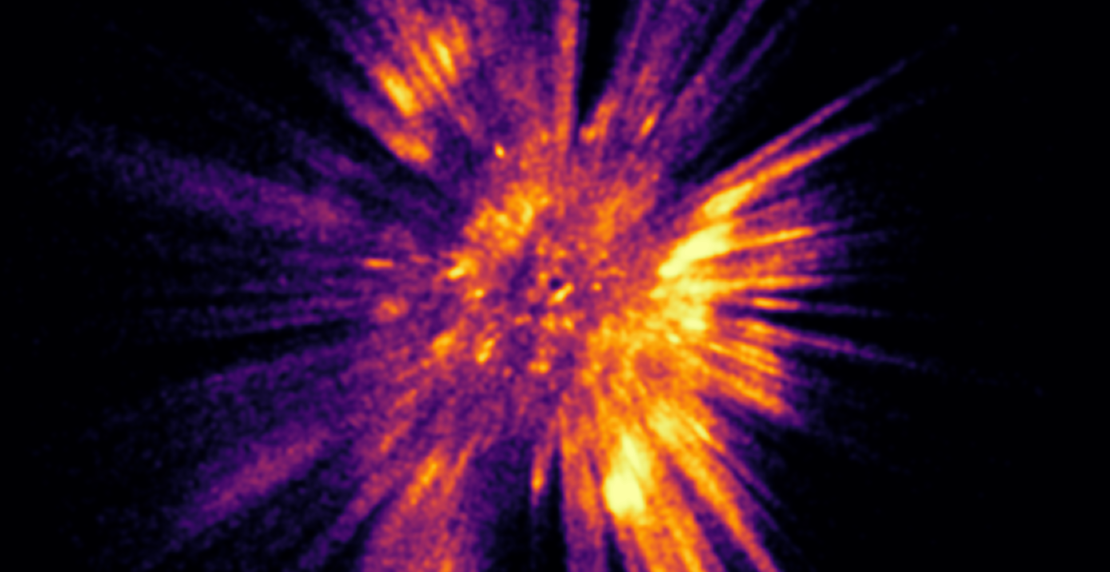
MRI Scans of the Milky Way
The European Space Agency’s Gaia Mission has surveyed the 3D positions of almost 2 billion stars, creating a point cloud that looks more like a sand storm in the Sahara desert than a traditional star map.
Read more